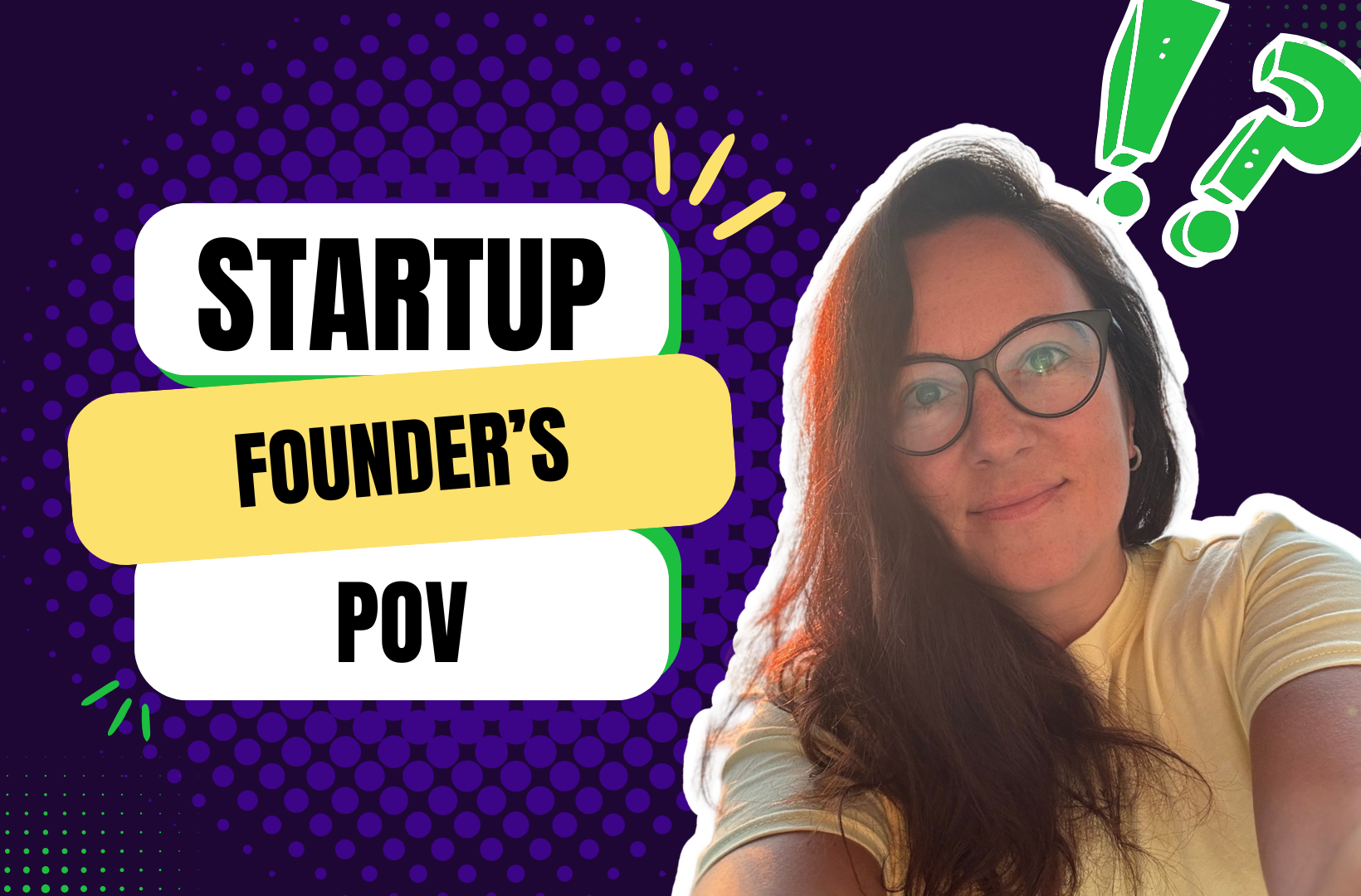
TL;DR: Is VC Funding Really Worth the Dilution?
Venture capital (VC) funding can be transformative but brings equity dilution and added pressures. While some founders thrive on capital-fueled growth, others regret losing decision-making control. Female founders, particularly, face challenges balancing VC constraints with creative autonomy. Bootstrapping, grants, and seed funding offer control and flexibility without heavy investor influence. The right choice depends on your goals, business stage, and risk tolerance.
• Perks of VC: Fast growth, team expansion, and early market dominance.
• Downsides: Dilution, strict investor pressures, and potential loss of vision.
• Consider alternatives: EU grants, bootstrapping, or angel investors for sustainable growth.
Make your funding decisions intentionally, based on your unique vision. Explore strategies to secure non-traditional support like EU grants for funding without equity dilution.
Check out startup news that you might like:
Startup News 2026: The Ultimate Step-by-Step SEO Audit Blueprint for Entrepreneurs
Startup News Revealed: Epic Insights into Over 100 New Tech Unicorns in 2026

I’ve asked this question countless times: Is VC Funding Really Worth the Dilution? Not as an outsider looking in, but as a founder embedded in the entrepreneurial trenches. I’ve faced this dilemma personally, and over the past decade, I’ve watched hundreds of startup founders, especially women, grapple with the same choice. Some thrived with venture capital; others regretted it deeply. Many never touched VC money and instead built through pure grit and bootstrapping.
When I launched my company, Fe/male Switch, a real-world startup incubator gamified into an RPG, I had this exact decision staring me in the face. Should I raise venture capital and aim for explosive growth, or should I build sustainably and remain in full control? At the time, I chose to bootstrap. Not because I had wealthy backers or a guaranteed path forward, but because I simply didn’t want external investors to dictate my creative vision for the company.
Looking back, I have no regrets, but I’ll admit I’ve made mistakes too. No framework, textbook, or startup seminar teaches you the real challenges of walking this path. The most important lessons I’ve learned have come from raw, hands-on experience and hundreds of conversations with women founders in my network.
If you find yourself on the fence about raising venture capital, this article dives deep into what I’ve learned, the nuances female founders need to consider, and why I still believe bootstrapping often beats VC funding any day of the week. Here’s what you need to know to make an informed decision:
What I Chose (And Why It Made Sense for Me)
When faced with the question of venture capital versus bootstrapping, I chose bootstrapping, every single time. For me, the decision came down to what I valued most: full creative control, decision-making autonomy, and ensuring that the vision of my company wasn’t diluted for the sake of appeasing investors.
At the time, Fe/male Switch was at the MVP stage. We were a fledgling startup with no revenue yet but a big vision: to create a game that would teach women the ins and outs of entrepreneurship while lowering entry barriers in tech. I had a small team, a modest amount of savings, and access to a network of supportive female founders eager for the solution we were building.
With bootstrapping, I avoided early dilution, which allowed me to iterate independently. Did it slow things down? Sure. VC funding is like throwing fuel on the fire, but it also forces you to scale before you’re ready. Case in point, I’ve seen VC-backed startups hire teams of engineers prematurely, only to realize their business model was broken. Bootstrapping allowed me to take my time experimenting with no-code tools, keeping costs low and pivoting without needing approval from a board of investors.
What I got wrong? Honestly, I underestimated how valuable an early injection of capital could have been in speeding up our development and getting to market sooner. Retrospectively, I could have applied for EU grants a bit more proactively to ease the financial pressure. But I wouldn’t trade the creative autonomy I’ve had for anything.
The takeaway? There’s no universal right answer. For me, bootstrapping worked, but every founder’s context is unique. And that’s why this decision warrants deep personal reflection and a case-by-case approach.
What I’ve Heard From Hundreds of Founders
Over the years, I’ve had the privilege of talking to female founders from all walks of life. And one thing is clear: your experience with VC money largely depends on how well it matches your specific circumstances. Here’s what I’ve observed:
The Founders Who Swear by Venture Capital
These are usually founders in industries that require heavy upfront investment, think biotech, hardware, or R&D-intensive SaaS solutions. For them, venture capital can be an absolute lifeline.
- They prioritize speed to market and scaling aggressively.
- They often aim for heavyweight outcomes, like becoming industry leaders or exiting via acquisition.
- Positive outcomes usually emerge swiftly if the market timing and strategy are right.
As one founder told me, “The funding allowed us to hire a killer team and dominate before our competitors even knew we existed.”
But here’s the catch, they often trade significant equity and face immense pressure from VCs to deliver fast. And if the planned outcomes don’t materialize? The risk lands firmly on their shoulders.
The Founders Who Regret the Dilution
On the flip side, I’ve spoken to plenty of founders who accepted VC money too early or without fully understanding the stakes. For these founders, the story often centers on regret:
- The pressure to scale compromised their ability to steer the company.
- They lost creative control when investors pushed for pivots or faster monetization.
- Some founders even reported burnout trying to meet their VCs’ aggressive KPIs.
One founder shared, “I thought I could handle the pressure until I realized my biggest decisions weren’t even mine anymore.”
The Founders Who Sit in Between
Some founders take hybrid approaches, such as raising small seed rounds from angel investors or leveraging grants like those available in Europe. These founders often prioritize maintaining control while benefiting from external funds when necessary. EU grants, for example, offer an alternative route without equity dilution, though they come with their own complexities.
How I Help Founders Decide (My Framework)
When someone asks me whether they should pursue VC funding, I guide them through three key questions:
- What stage are you at? Pre-revenue founders often benefit from bootstrapping. Scaling founders with proven revenue might justify exploring VC.
- What’s your priority? Speed? Impact? Profitability? Personal autonomy? Be honest, not aspirational.
- What’s your true risk tolerance? This includes financial, emotional, and reputational risk.
These factors determine not just what’s feasible but what aligns with how you want to build your startup, and your life.
The Real Answer
The simple truth is: there is no “right” answer to whether VC funding is worth it. The best choice isn’t what worked for the founder next door but what fits your goals, values, and constraints today.
To female founders weighing this decision, I say: make it intentionally. Block out the noise of what others are doing. Bootstrap if that gives you autonomy; consider grants if it aligns with your goals; take VC money if the stakes (and timing) make sense, but only if it’s on your terms.
Because here’s the thing: The world doesn’t need another cookie-cutter startup. It needs founders creating businesses on their own unique terms. That’s what will set you apart, and that’s what will make your decision the right one.
People Also Ask:
What is the 80/20 rule in VC?
The 80/20 rule in venture capital, often linked to the Pareto Principle, means that 80% or more of a fund's returns typically come from just 20% of its investments. It emphasizes the disproportionate contribution of a few highly successful investments to overall performance. Additionally, the term applies to fund economics, where 80% of profits go to Limited Partners (LPs) and 20% to General Partners (GPs) as carried interest.
Is 0.5% equity in a startup good?
Yes, 0.5% equity in a startup can be favorable depending on context. For early key hires like directors or VPs in seed-stage companies, it can be a meaningful amount. However, its value varies greatly based on the company's stage, valuation, your role, and salary, among other factors.
Is dilution bad for investors?
Dilution can be a concern for investors as it reduces their ownership percentage when a company issues new shares. This decrease in ownership can lead to lower value per share and reduced decision-making influence, which many investors try to avoid.
Does crowdfunding dilute equity?
Yes, equity crowdfunding typically results in dilution, as ownership is divided among multiple investors. This can sometimes complicate decision-making and reduce long-term returns for original stakeholders.
Why does equity dilution happen in startups?
Equity dilution occurs when startups raise capital by issuing new shares to investors or employees. This is often essential for funding growth but reduces the ownership percentage of existing shareholders.
How can founders manage equity dilution?
Founders can manage equity dilution by negotiating higher valuations in funding rounds, prioritizing strategic investors, and carefully planning the allocation of stock options and reserves for future use.
What happens to equity during future funding rounds?
During future funding rounds, additional shares are issued to raise capital, resulting in dilution for existing shareholders unless they participate in the round. This dilution is a standard part of scaling a business.
Can investors avoid dilution?
Investors can avoid dilution by exercising anti-dilution rights, which protect their investments during new funding rounds. These rights ensure they maintain a specified ownership percentage despite the issuance of additional shares.
How much dilution is normal in a Series A round?
In a Series A round, founders typically experience equity dilution of 15-25%. The amount can vary based on the company's valuation and the funding required.
Why is equity dilution considered a tradeoff?
Equity dilution is a tradeoff because while it reduces existing shareholders' ownership, it provides the company with necessary funding to grow and achieve key milestones, which can enhance the value of the remaining shares over time.
FAQ on Venture Capital and Bootstrapping Decisions
What alternatives exist for funding without dilution?
Founders can explore grants, crowdfunding, or partnerships with mission-driven investors to secure capital without giving away equity. EU programs and government grants are ideal for reducing financial pressure early on. Discover grants for startups that help scale sustainably.
How do female founders approach the VC vs. bootstrapping debate differently?
Female founders often prioritize creative control, long-term sustainability, and aligning capital with their vision. Many opt to bootstrap or apply for grants to maintain autonomy. Learn how women entrepreneurs make impactful funding decisions.
Is VC funding always a requirement for industry leaders?
Not necessarily. Data reveals that 94% of billion-dollar startups were launched without VC. Founders outside Silicon Valley delayed VC to preserve ownership and strategic flexibility. Explore funding strategies practiced by successful founders.
What risks do founders face with early VC investment?
Premature VC raises can dilute ownership, impose aggressive growth targets, and lead to loss of creative control. Founders should assess readiness and consider slower, sustainable scaling methods first. Discover ways to align funding with business strategy.
How can startups balance creative autonomy with scaling needs?
A hybrid approach utilizing angel investors or seed grants offers controlled growth without losing ownership. Leveraging technology tools and networks can also reduce initial scaling costs. Find flexible startup funding options tailored for growth.
Do venture capitalists invest in early-stage ideas?
VCs typically prefer startups with proven market fit and revenue models. Founders with pre-revenue businesses should consider alternative funding like government grants to de-risk their ventures. Discover government grants tailored for startup success.
What role do grants play in startup funding?
Grants provide non-dilutive capital, ensuring founders retain full control while solving financial challenges. EU programs and other equity-free grants are particularly effective in early development stages. Learn more about securing equity-free grants.
How can bootstrapping benefit tech startups?
Bootstrapping empowers startups with autonomy to experiment. By leveraging no-code tools and delaying major expenses, tech ventures can iterate successfully without external pressures. Learn strategies for bootstrapping tech ventures effectively.
How can founders mitigate risks when seeking VC funding?
Thoroughly understanding contract terms, due diligence, and aligning investment timelines with measurable milestones reduces VC-related risks. Prioritize investors who support your company vision without dictating pivots. Learn strategies to navigate VC funding challenges.
Why does market timing matter for seeking VC?
Raising VC at the right time, especially post-revenue, ensures optimal valuation and interest from investors. Timing impacts leverage in negotiations and allows better decisions on funding rounds. Explore the impact of timing on startup valuation.
About the Author
Violetta Bonenkamp, also known as MeanCEO, is an experienced startup founder with an impressive educational background including an MBA and four other higher education degrees. She has over 20 years of work experience across multiple countries, including 5 years as a solopreneur and serial entrepreneur. Throughout her startup experience she has applied for multiple startup grants at the EU level, in the Netherlands and Malta, and her startups received quite a few of those. She’s been living, studying and working in many countries around the globe and her extensive multicultural experience has influenced her immensely.
Violetta is a true multiple specialist who has built expertise in Linguistics, Education, Business Management, Blockchain, Entrepreneurship, Intellectual Property, Game Design, AI, SEO, Digital Marketing, cyber security and zero code automations. Her extensive educational journey includes a Master of Arts in Linguistics and Education, an Advanced Master in Linguistics from Belgium (2006-2007), an MBA from Blekinge Institute of Technology in Sweden (2006-2008), and an Erasmus Mundus joint program European Master of Higher Education from universities in Norway, Finland, and Portugal (2009).
She is the founder of Fe/male Switch, a startup game that encourages women to enter STEM fields, and also leads CADChain, and multiple other projects like the Directory of 1,000 Startup Cities with a proprietary MeanCEO Index that ranks cities for female entrepreneurs. Violetta created the “gamepreneurship” methodology, which forms the scientific basis of her startup game. She also builds a lot of SEO tools for startups. Her achievements include being named one of the top 100 women in Europe by EU Startups in 2022 and being nominated for Impact Person of the year at the Dutch Blockchain Week. She is an author with Sifted and a speaker at different Universities. Recently she published a book on Startup Idea Validation the right way: from zero to first customers and beyond, launched a Directory of 1,500+ websites for startups to list themselves in order to gain traction and build backlinks and is building MELA AI to help local restaurants in Malta get more visibility online.
For the past several years Violetta has been living between the Netherlands and Malta, while also regularly traveling to different destinations around the globe, usually due to her entrepreneurial activities. This has led her to start writing about different locations and amenities from the point of view of an entrepreneur. Here’s her recent article about the best hotels in Italy to work from.